Post-tensioning
Field engineering for tendon stressing and cement grouting.

Field engineering for tendon stressing and cement grouting.
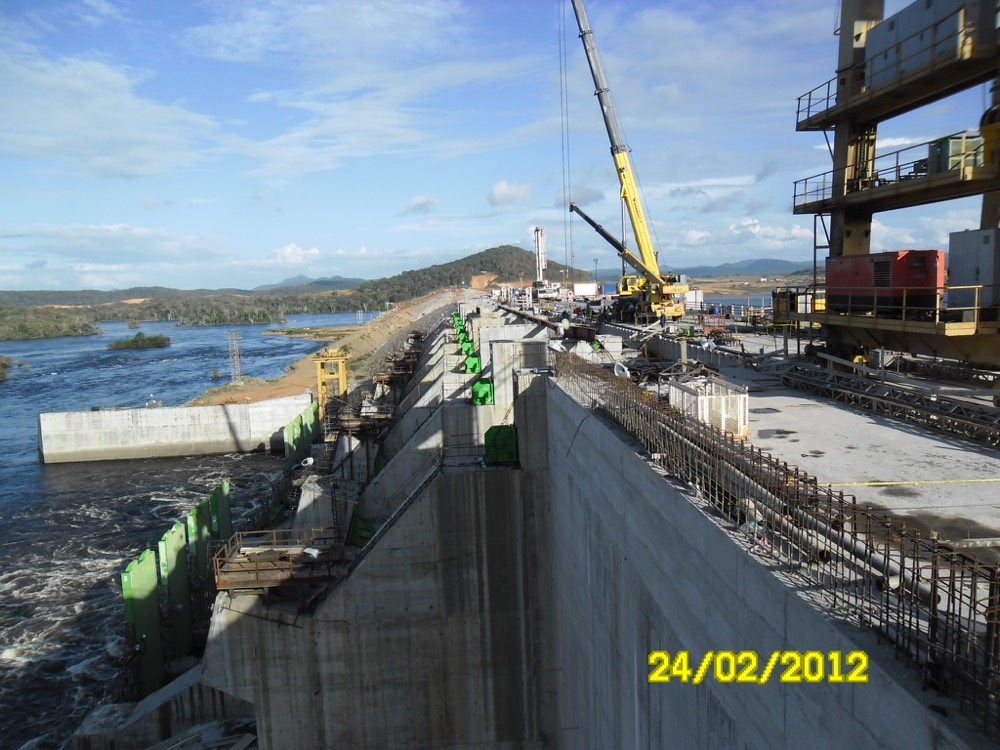
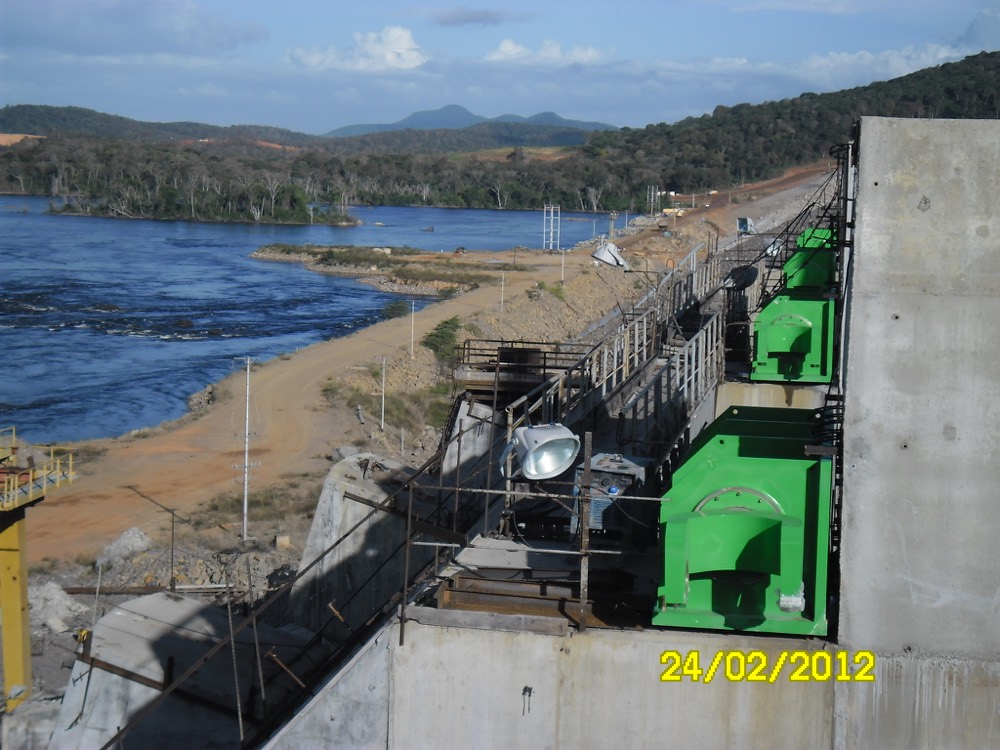
Field engineering consulting for the post-tensioning system of the trunnion support blocks of the spillway gates at the Manuel Piar (Tocoma) Hydroelectric Plant, on the Caroní River, Bolívar State, Venezuela, in 2011–2012. The system uses DYWIDAG bars and tendons: each tendon is made of 17 steel strands inside a duct, anchored in the concrete and stressed with a hydraulic jack.
Before installation, the bars, ducts, anchorages and accessories received are inspected, and bench tests are carried out: bar assembly, duct passage through the template, and seals between the duct and the pipe.
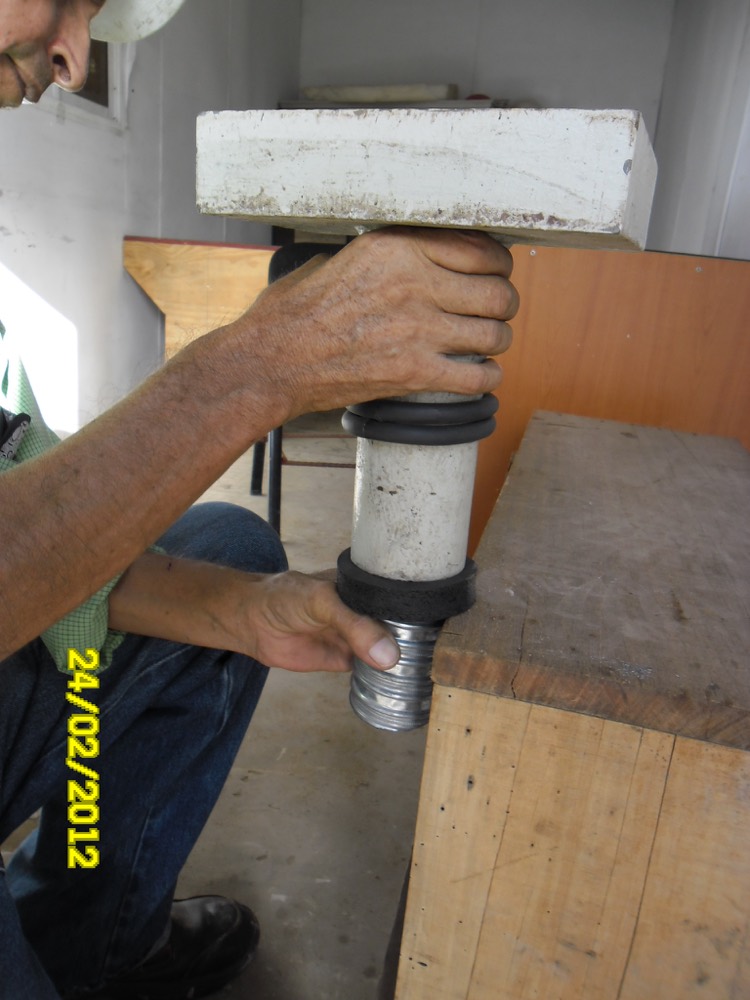
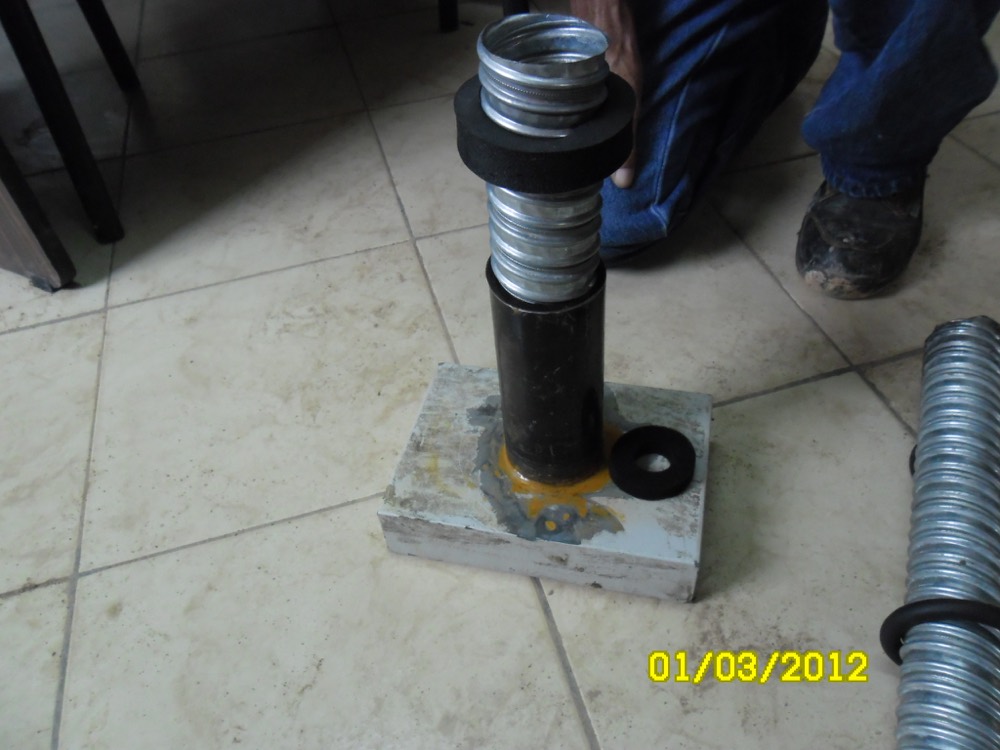
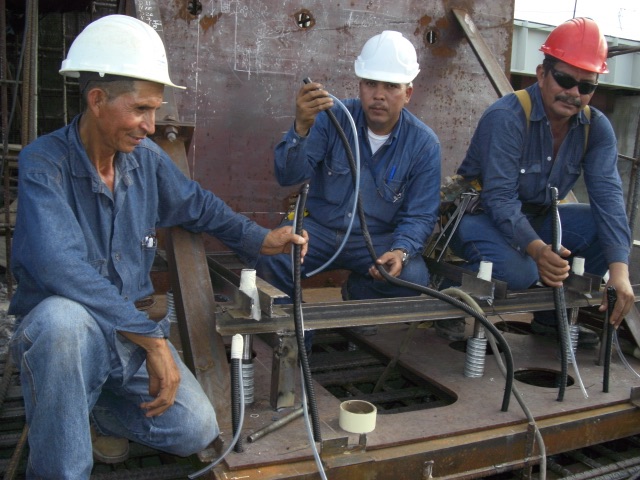
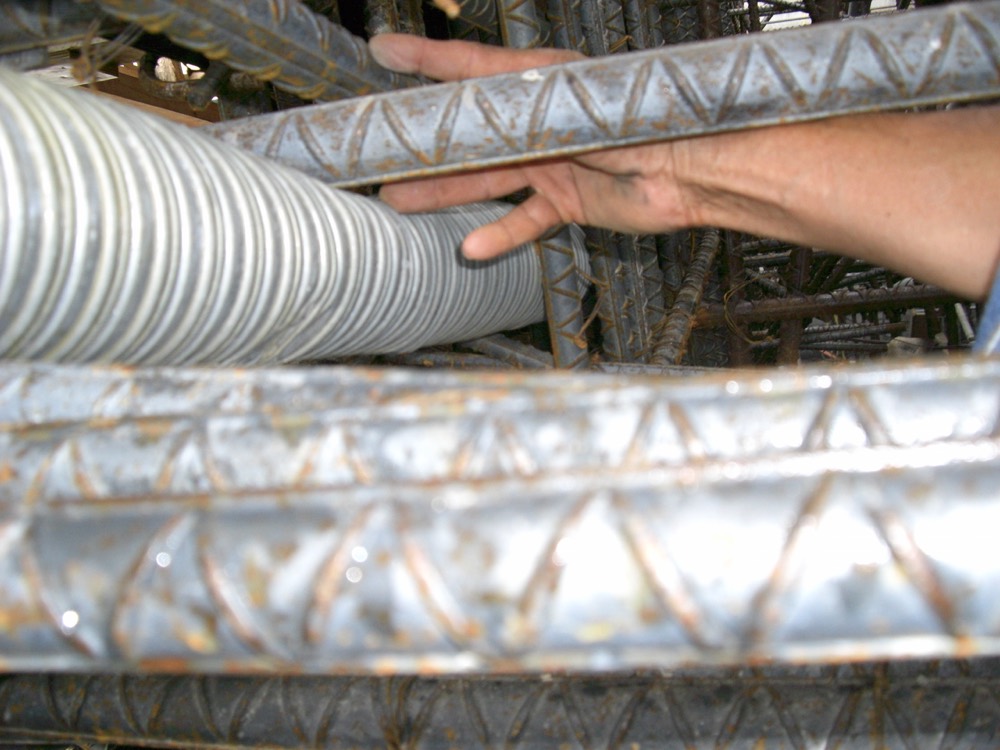
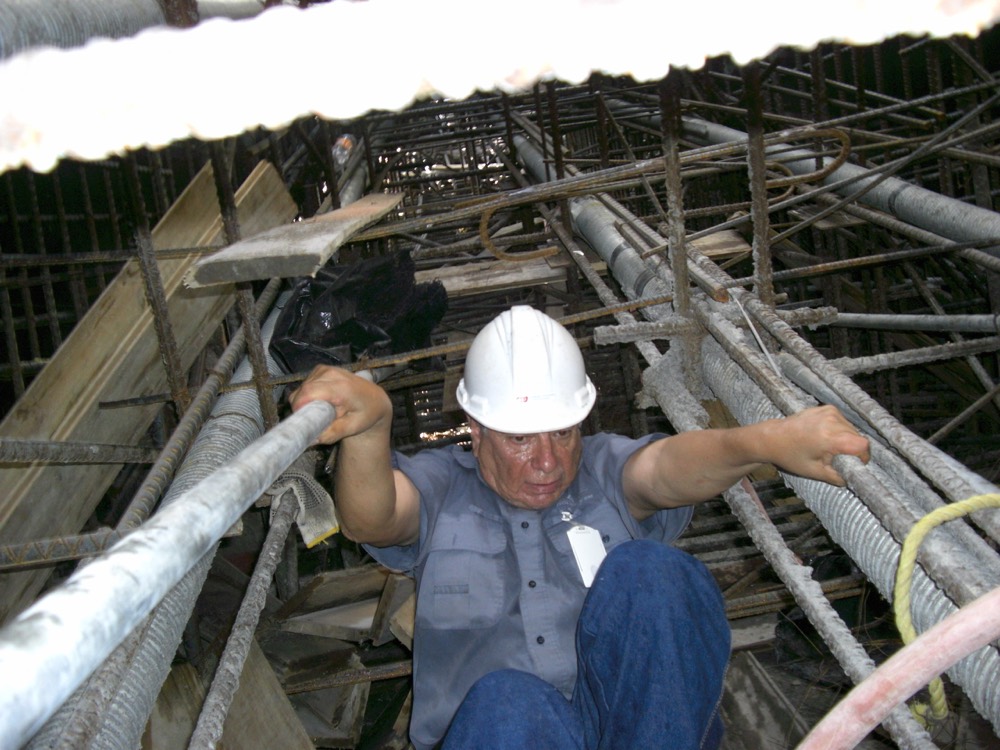
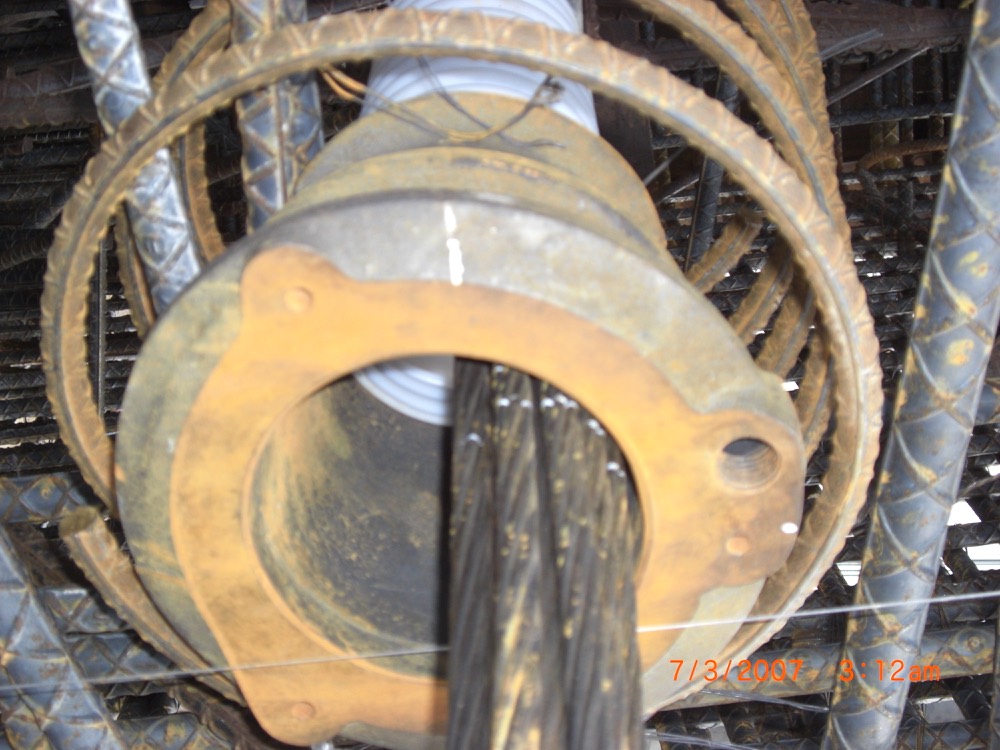
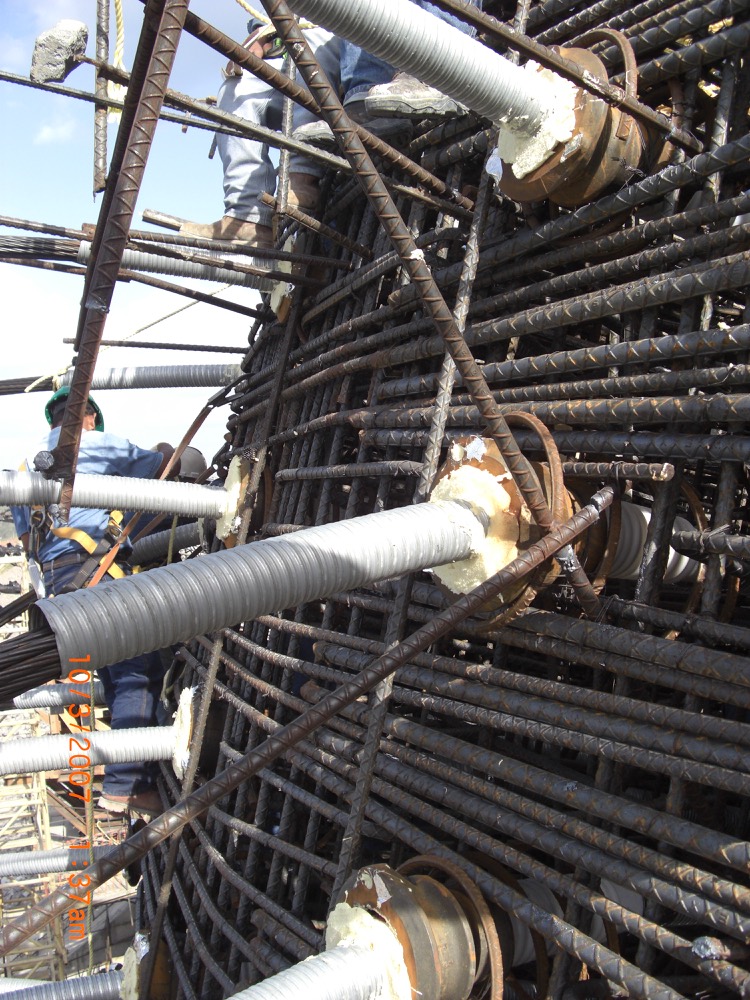
Once the reinforcing steel of each trunnion block is in place, the corrugated ducts that will carry the strands are placed and secured, keeping them aligned and leaving the grout pipes at each end.
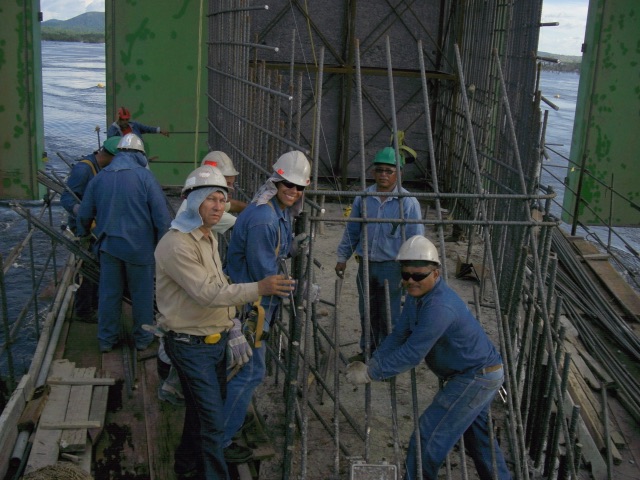
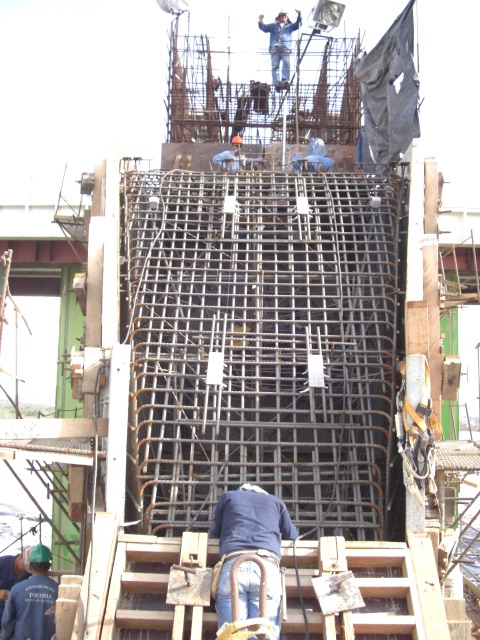
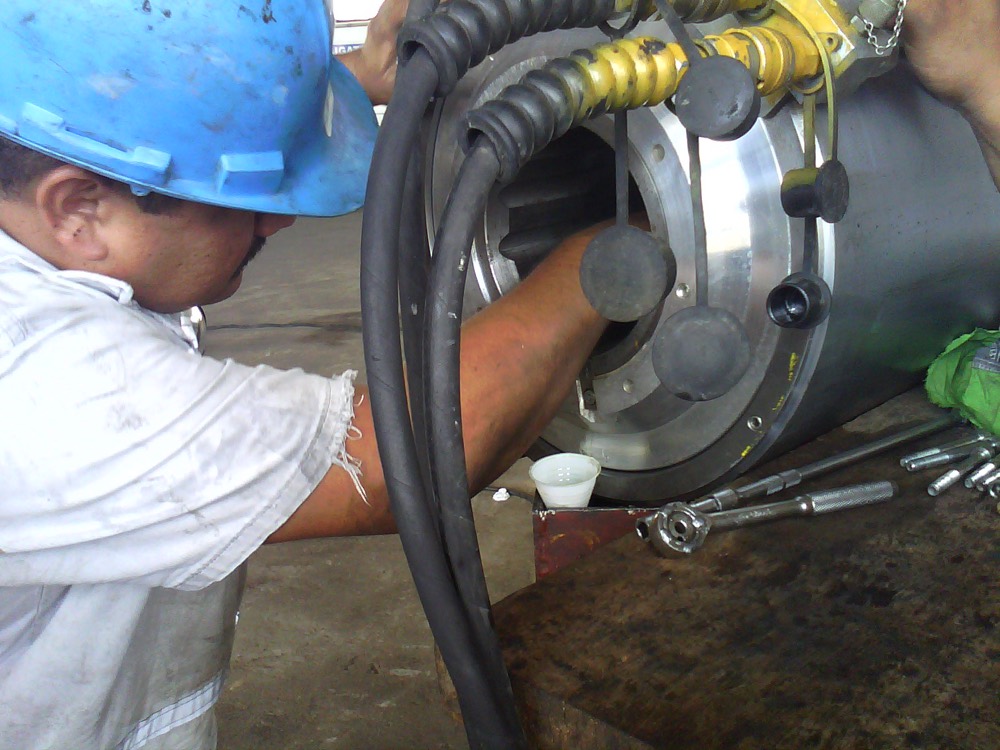
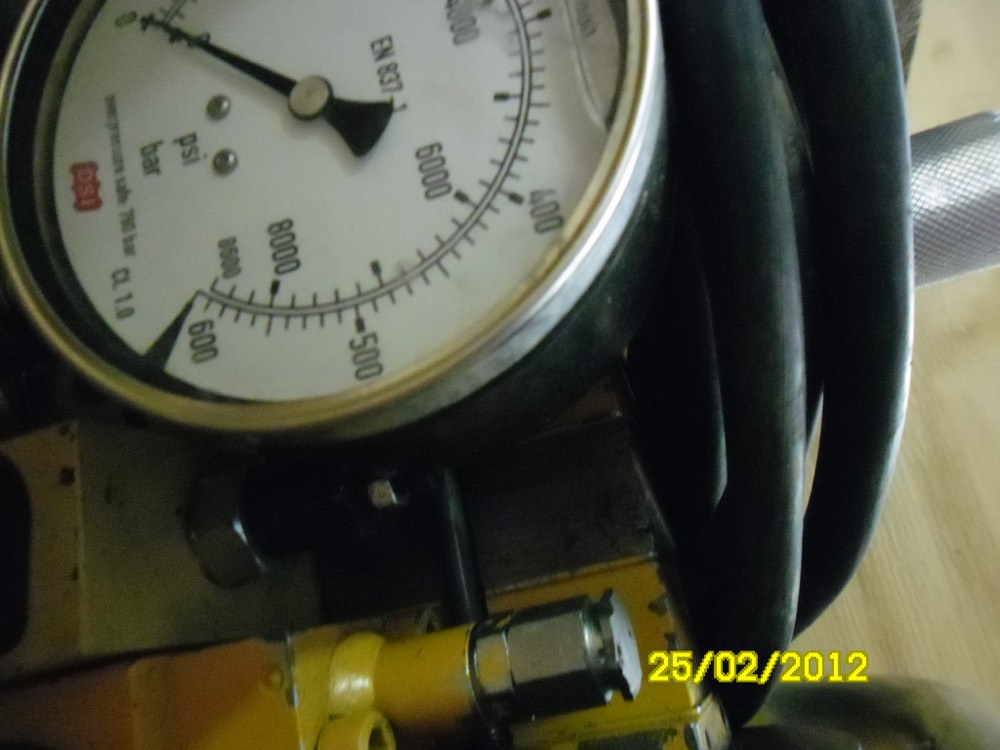
The 17 strands of each tendon are arranged, the wedges are set in the anchor head, and the tendon is stressed with a hydraulic jack. Pressure is raised in stages while the cable elongation is measured and compared with the design value (±5% tolerance). Finally the wedges are seated and the jack is removed.
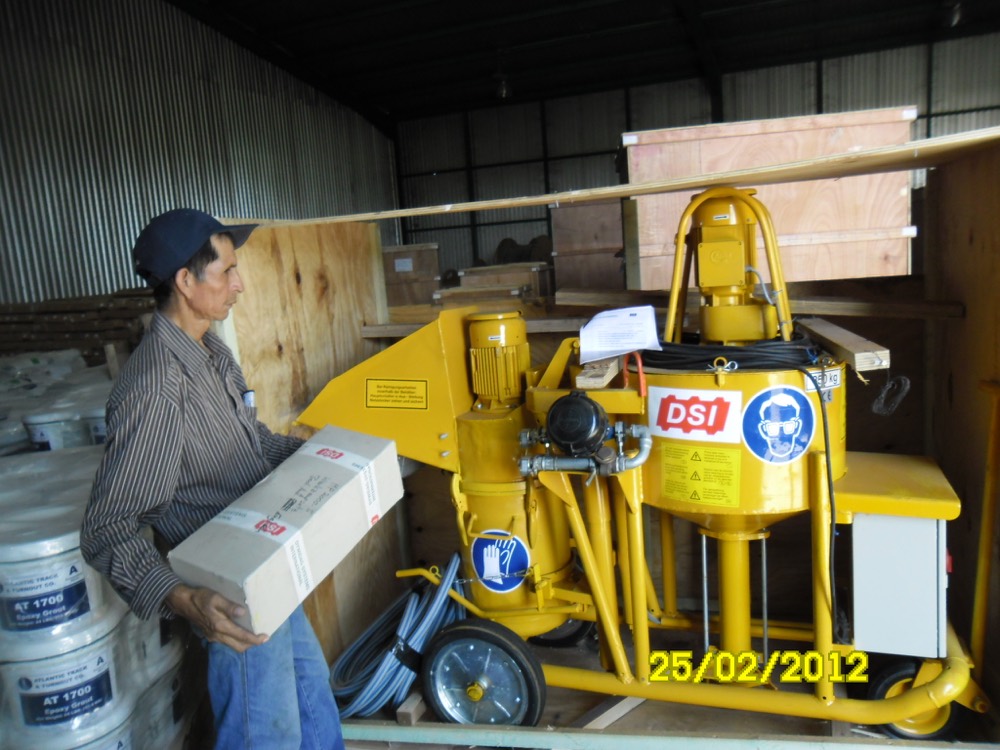
After stressing, the ducts are flushed with water and dried with air. Cement grout is then pumped in at a low, steady pressure until it comes out the other end free of air bubbles. The grout protects the strands from corrosion and bonds them to the concrete. Once it has set, the grout pipes are cut and the anchorage block-outs are sealed with mortar.